The Anatomy of an Inert Sequence
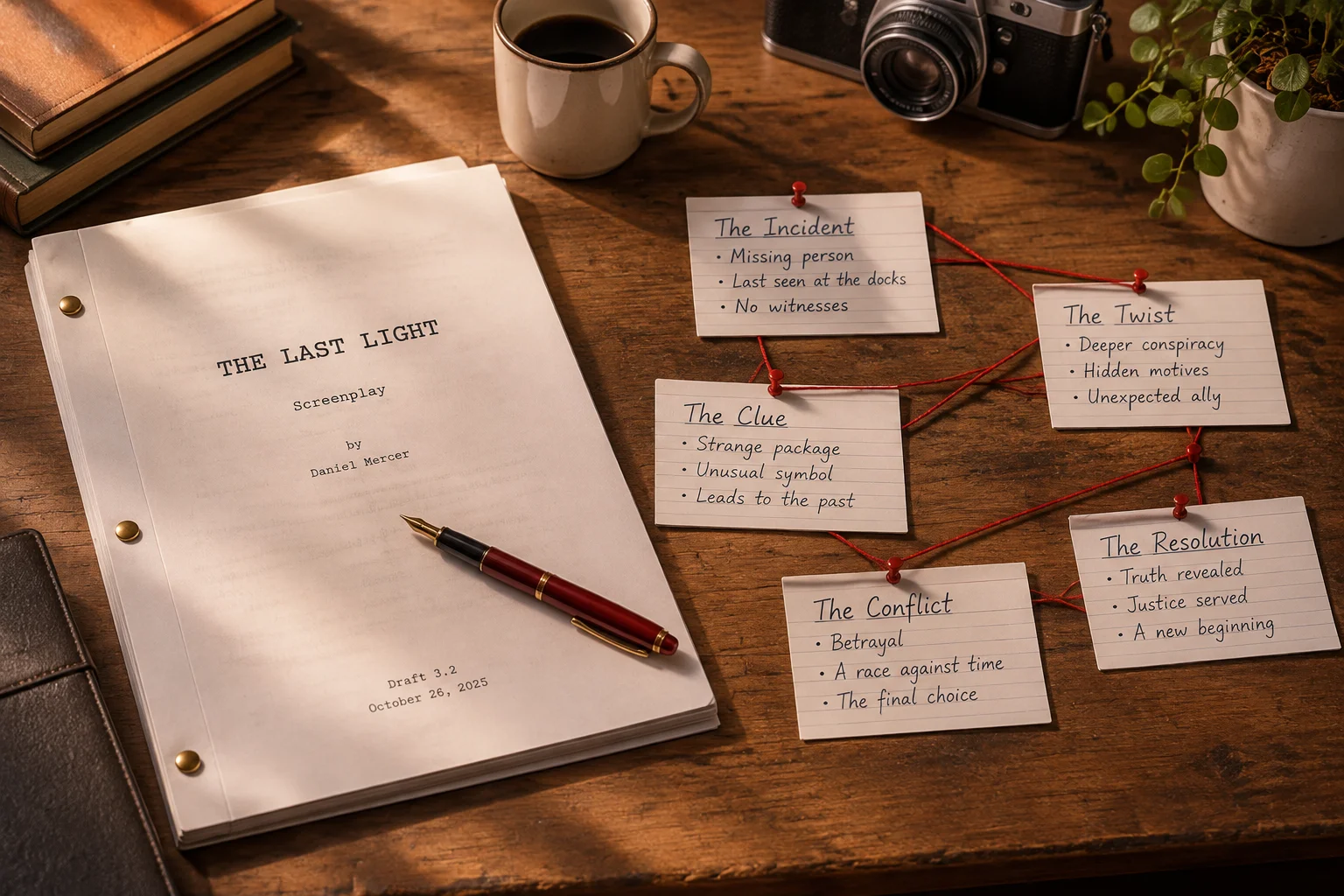
Every legitimate screenplay sequence fulfills an unwritten compact with the audience: when characters depart the location, their tactical leverage, emotional vulnerability, or collective peril has irrevocably altered. When two individuals enter an office, argue passionately for three pages, and depart with the exact same objectives and resources they began with, the script has generated zero narrative displacement. The scene has consumed screen time while freezing the narrative clock in place.
The definitive diagnostic test for any suspected inert beat is mercilessly simple: strike out the entire scene and read directly from the prior sequence into the subsequent beat. If the transition flows effortlessly without requiring patched dialogue or artificial explanations, the omitted scene was purely decorative. Writers often cling to such scenes because the prose sparkles or the character dialogue reveals sharp personality quirks. In rigorous story architecture, decorative banter cannot substitute for real causal consequence.
If characters dispute an issue for four pages and exit the room possessing the exact same tactical leverage they arrived with, you have not composed a dramatic scene. You have built an acoustic loop.
— Sarah Jenkins, Story Architecture Analyst
Diagnostic Traps That Masquerade as Dramatic Action
Inert scenes rarely announce themselves as boring. On the contrary, novice scripts often load these beats with theatrical shouting, flashy physical confrontations, or dense world-building revelations. To spot dormant scenes before production begins, watch for three classic structural diversions:
- Circular Conflict Loops: Protagonists and antagonists restate known grievances, trade insults, and reaffirm established positions without either party relinquishing control or staking new collateral.
- Exposition Disguised as Crisis: An emergency siren sounds or a courier rushes in solely to deliver backstory information, yet the characters take no immediate, binding action that alters their forward plans.
- Reversible Decision-Making: A character proclaims an ultimatum or makes an impulsive choice that the narrative effortlessly walks back two scenes later with zero structural friction.
A functional beat demands an undeniable shift in charge. The scene must swing from anticipation to dismay, from concealment to costly exposure, or from tactical dominance to desperate compromise. Without this definitive polarity reversal, the narrative engine idles, regardless of how energetically the characters exchange lines.
Engineering Irreversibility into Every Story Beat
When you discover an inert sequence during revision, avoid the superficial impulse to inject synthetic action, gunplay, or sudden emotional outbursts. The root deficiency is not pacing velocity; it is the absence of causal permanence. Transform the dead beat by compelling at least one participant to execute a choice that permanently shuts an escape door. When a character signs the ledger, reveals a concealed ledger, or burns their final bridge of retreat, the scene becomes indispensable.
The Irreversible Leverage Test
Before declaring any scene production-ready, identify the exact resource, secret, or boundary that changed between page one and page three of that beat. If your protagonist could resume their prior routine unaltered after the scene concludes, scrap the sequence or force an irreversible consequence onto the page.