
Why a Story Beat Needs a Consequence
An examination of how isolated dramatic moments fall flat without immediate structural fallout, and how to forge irrevocable narrative momentum.

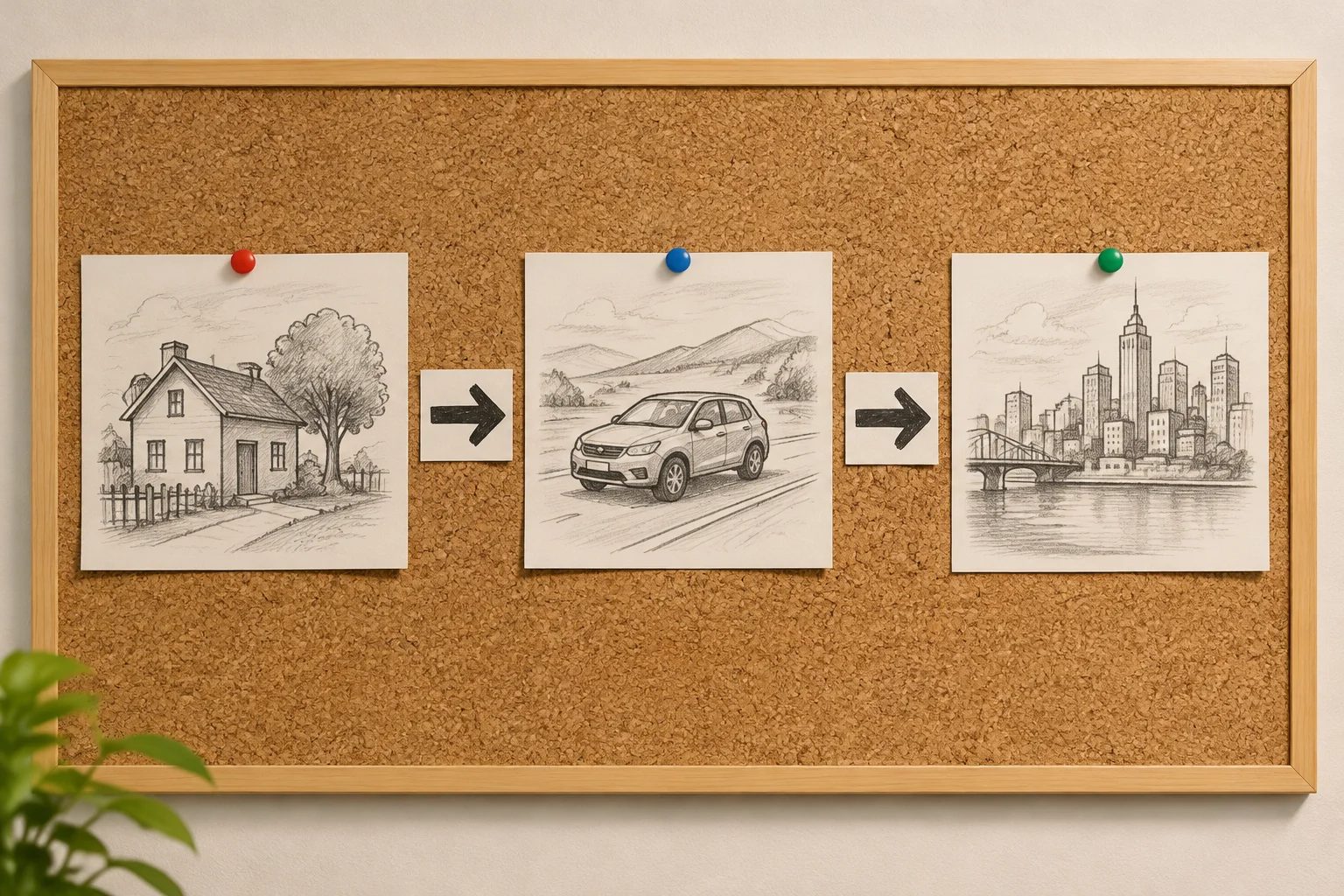
Review how scenes connect: which event causes which reaction, which question is carried forward, and what breaks when a scene is removed or moved.
Every connection between two scenes should be a reason, not just a sequence. Check each link with three questions.
The later scene should exist because of something the earlier scene created.
Identify the open question that pulls the audience from one scene into the next.
Imagine the scene removed or moved one position. Note every decision that loses its reason.

An examination of how isolated dramatic moments fall flat without immediate structural fallout, and how to forge irrevocable narrative momentum.

Identifying and diagnosing inert scenes in draft revisions. Learn how to test whether a scene genuinely alters character trajectory or wastes narrative space.

Tracing causal chains across consecutive sequences to ensure that scene three exists solely because of the unresolved pressure generated in scene one.
How to log the questions each scene opens, decide where they must be answered, and spot promises that the screenplay never pays off.

A practical method for testing alternative scene orders by comparing what the character knows, wants, and decides in each version.
Receive our monthly breakdown of screenwriting architecture, beat progressions, and causal logic delivered straight to your inbox.